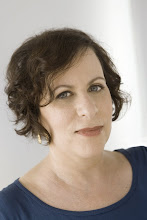
I first saw
Manjari Sharma's project
The Shower Series at
ASMP's most recent portfolio review. It was not just such a fully realized project, but something so filled with sensuality, reverence and stillness, that I was blown away.
Manjari is so full of energy and light, and her excitement is contagious. We spoke about the amazing success she has had since presenting this project to blogs and at portfolio reviews. I was struck by how the Web helped to propel the momentum of
Manjari's work and career, and asked her to tell her story here.
 How did you come to photography?
I came into photography by sheer fate. I never thought of photo as a career, even though in retrospect I had always been my family's "Kodak moment" girl on road trips. I was actually planning on pursuing dietetics in college. I got very turned off by the thickness of the food and nutrition text books actually. Also, the lenses on the reading glasses adorning the faces of the students in that department were so thick!
It's funny how vividly I remember that being the sole reason for me to drop the plan of being a dietician; visual communications, still photography sounded more attractive to me. I did exceeding well my first year (shamefully) without working very hard, receiving a merit of excellence for my images. That certificate was the turning point for me. I decided to take it very seriously and never looked back. I wasn't going to flirt with the camera anymore I decided--I entered into a committed relationship.
 How did the shower project start?
I was actually centering my own showers around this light that came in through my bathroom window. For one hour it turned my shower space into this glorious sun room. I invited someone in for a dry portrait and then asked her if she had showered that day...so in essence the project started in a very simple way--following the light, and my heart of course.


The fourth person changed my project and made it into so much more. As I studied what happened to these people as they showered for me, I felt there was a ritualistic unveiling of the mind. The walls that somehow surround us and restrict us, came down in the shower and made people say some very personal things about their life to me. In my artist statement I attribute it to the intimacy of standing in the same bath tub, the washing down of the water and the shower thereby transforming into a confessional.

The project lasted for a year and just started back up a couple weeks ago actually.
Where did you find your models?They were always 2nd, 3rd and 4th generation friends. I stayed away from people who were too close because I felt it took some of the nervous energy away.
Where did you shoot?I shot the entire project in my shower in Brooklyn. My apartment was gut renovated when I moved in, and my shower is all marble, which certainly helped.
What did you do when you thought the project was ready?I decided that when I had a pool of images ready I would contact a list of people--an admiration list--a list of online haunts I respected, and online portals where I went to learn and get inspired.
 Can you take us through the steps of showing it, portfolio reviews, gallery representation, show, etc?
I firstly showed the work when I had shot maybe six people and made a little self bound book that I took to a Fine Art portfolio review where I showed it to a handful of reviewers. I got some great feedback about it at its midway point, which I now think in retrospect was crucial! I then showed it at a Commercial Portfolio review, a few months later, and showed it to agents like
Joe Pritchard from
Vaughn Hannigan, to
Redux Images and
PDN. This gave me great insight into the project's commercial and editorial capabilities.
On a personal level, I was shooting the project as a fine art piece, purely for the concept I was after.
I submitted it to
PDN's Photo of the Day and got selected, which gave me some initial high visibility online. Chronologically I then entered my work in a
Centre for Fine Art Photography competition and two pieces were selected by
John Paul Caponigro for a "Water" themed exhibit. This was my first group exhibit for the series.

All along the way I did small informational interviews with industry folks like
Jacqueline Bovaird of
Glasshouse Assignments and
Jonathan Cherry of
Mull It Over. These were just small ways to make sure that this body of work in progress was still on people's radar.
Finally in December when I felt I had a good set of final images together, I wrote to
David Bram of
Fraction Magazine who blogged about me as "a must see". From there I got picked up by
Aline Smithson's
Lenscratch and
Exposure Compensation, which is a blog I greatly admired. The interesting parts to me, were the blogs that picked me that I did not submit to, like
Notcot,
KameraKuntz,
180 Magazine,
Boing Boing, and
Detangle.us. These were all blogs that contacted me to run my work after seeing it on other blogs.
Some of these blogs were followed by design lovers which opened the work up to a bigger audience, making it interesting to design portals like
Beautiful Decay. In the following months I got picked up by blogs in
Italy,
Scotland,
Germany and then
Leica's blog in
China, all through a chain reaction off of other blogs. It was great to see the work just jump from one cloud to another.
Nina Buesing Corvallo from
nymphoto did an interview of my work and finally
PDN Edu decided to spotlight
The Shower Series as one to watch for their spring portraiture issue, running my image as a cover for their magazine. Some of my most recent and strongest response was from
Burn Magazine. They ran a great edit of the work as recently as a couple months ago. To view a complete list of people that showed this work feel free to visit the website.
Via all of this blog success which was so exciting and humbling, I got contacted in March by
Richard Levy from
Levy Gallery based in New Mexico. Richard expressed his interest in picking me up as an artist for his roster and took me to the
San Francisco Art Fair. Richard has since offered me a solo show and will also be taking me as one of his three premier artists to
Art Miami 2010 in December.

The most important part in all of this is to certainly remember that:
A) It's about forgetting about all of the above and actually making work that is true to the artist you are
B) When making it, let it be seen by some trusted eyes because as artists we can get too close to our projects
C) To develop it, and particularly remember that no one knows what you're up to unless you inform them.
It's like every day, you have to wake up and fall in love with what you do again. And if you truly love it, then share it with conviction and know that infectiously those others are bound to love it too. It of course does have to come from a place of sincerity for all of this to translate and work.
How did the advertising job come to you?The advertising job was certainly another blessing of the blogosphere. While this work was being bounced around a lot on the blogs early this year, an art director from Delhi happened upon it and pitched me to
Grohe, a German company that manufactures high end shower heads and faucets.
Grohe was launching in a big way in India and I got hired for an advertising campaign based on this personal project. The job was to shoot ten Indian models under the shower, enjoying water under
Grohe's products.
The work is currently being shown on billboards in eighteen cities in
India. This was again so graciously another treat from the work being out in the open and being available to be recognized.
 What steps should people take when they’ve finished (or think they’ve finished) a project?
I think people should be open to taking feedback from trusted sources as the project develops. In my case it gave me tremendous chutzpa when I showed it around to run harder with my concept. Of course you have to somewhat feel resolved at your own level with it before you show it to people. It's very important to have your hand on the pulse of what is going on in the scene. My
Google Reader is chock full with blogs I respect and I've always been up on as much industry news as I can be.
I definitely think that work should be made from the core of your heart. Certainly whilst making the work the mind has to be uncluttered and not focused on who may be impressed with it and run it. But once it is created, it cannot live in a vacuum. It needs to breathe and air on other platforms--online, and in print. As artists, we must allow other peoples' seasoned eyes to fall upon it. Or else it's like a delicious meal that is not being eaten and thus appreciated.
I always think of a body of work/a project as an album of composed songs that needs to be released. Once the CD release party is over and done with the world will interpret it, love it, dislike it, be intrigued by it and/or be depressed or disturbed by it. The work has to be allowed to evoke a response. Without that, it is just like a tree that fell in the woods that no one heard.
So my word of advice would be to read, be up on the blogs, take advice and feedback from peers and be open to rejection. The people who critiqued my work early on, in good and bad ways, were certainly in on shaping it. I did ultimately do what I wanted to, but to hear from incredible industry professionals that the work has a strong back bone is such great reinforcement while it's still in production.
So get it out there.
What's next?A new project is already brewing, more will be revealed about it on my
blog so stay tuned!

Labels: david bram, fraction, grohe, manjari sharma, pdn, stella kramer, stellazine, the shower series